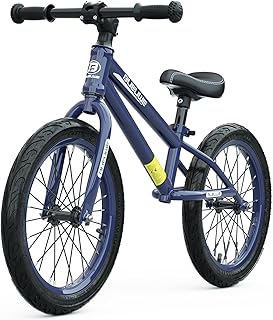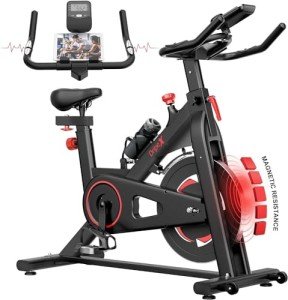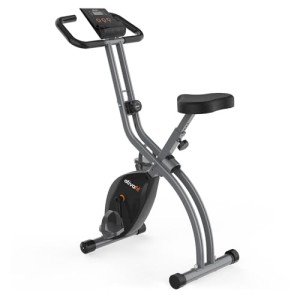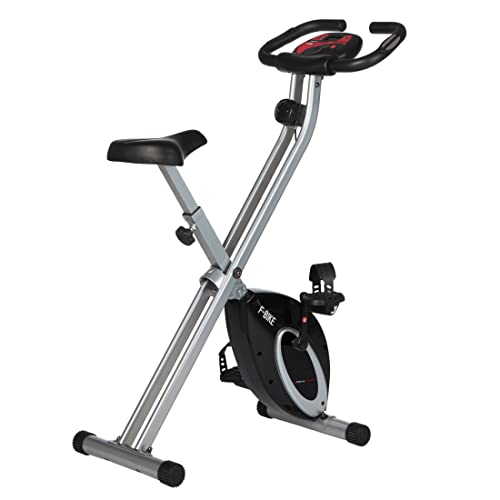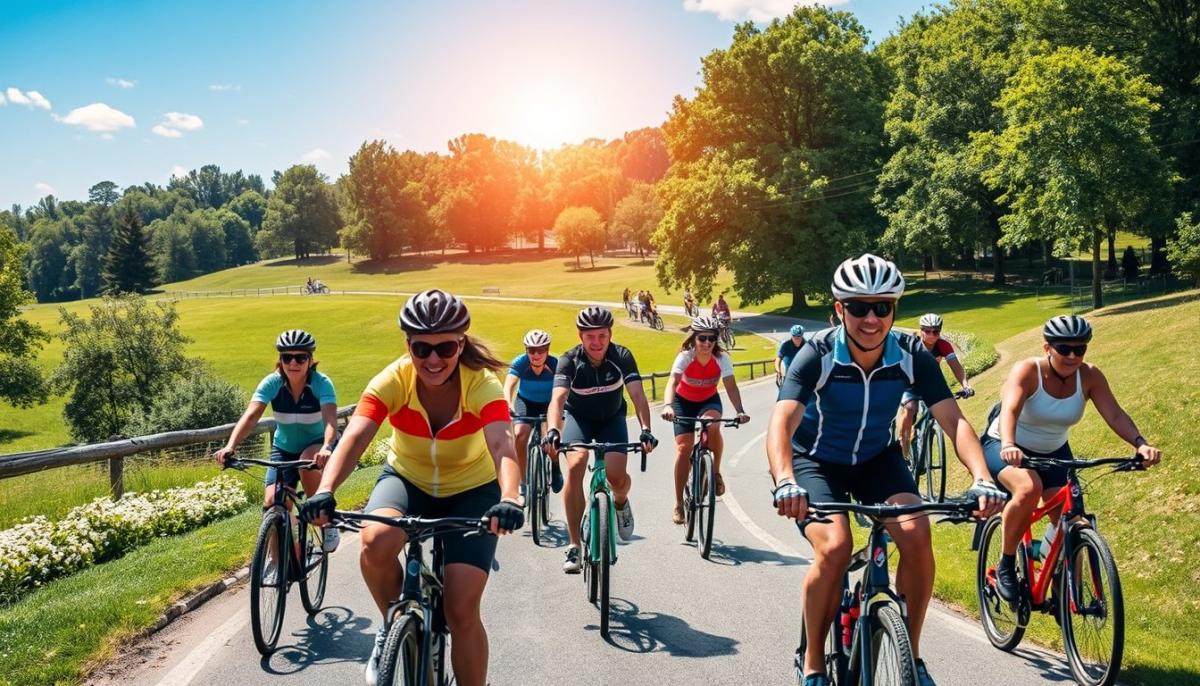
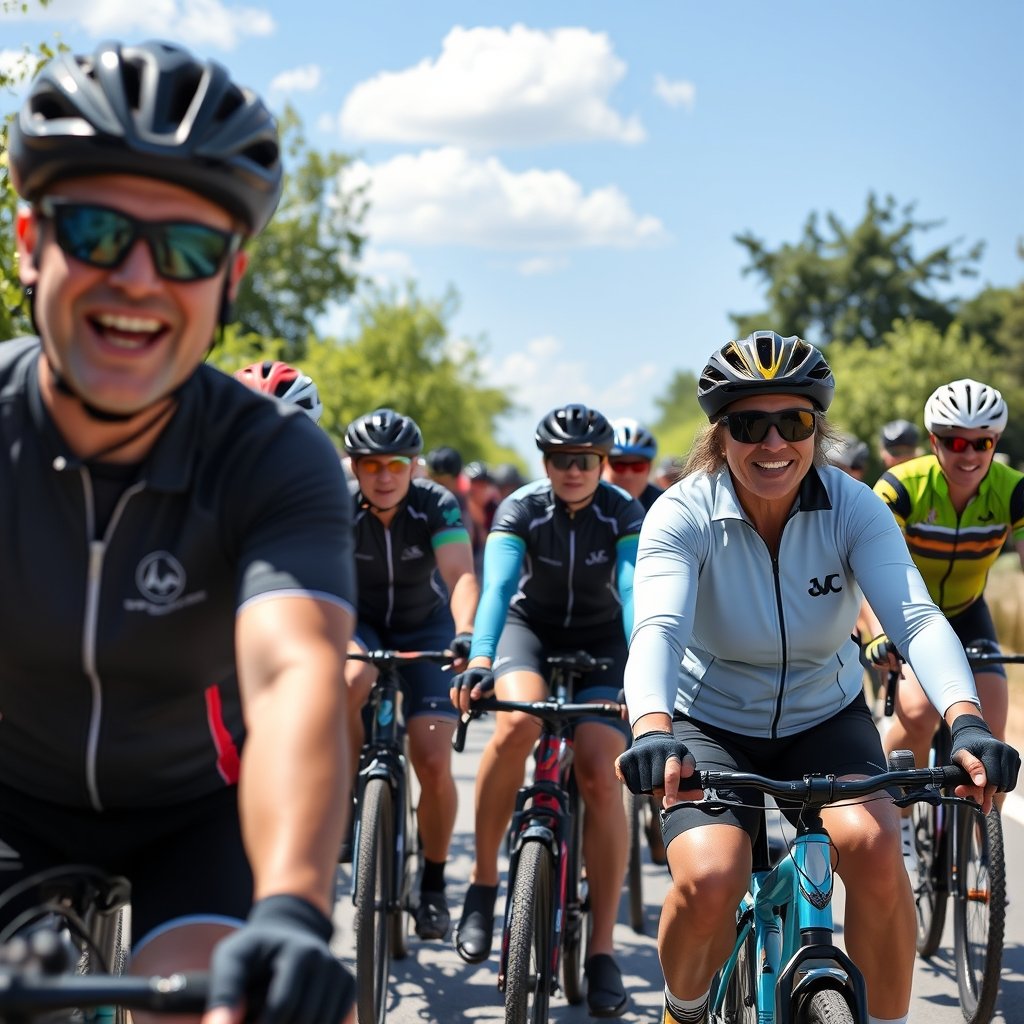
Cycling is more than a fun outdoor activity. It’s a versatile, low-impact form of exercise that strengthens bodies, sharpens minds, and supports healthy habits for people of all ages. Whether you’re commuting to work, taking a weekend ride with the family, or teaching your kids to ride, the benefits of cycling accumulate over time. Here’s how cycling can boost health, mood, and quality of life for both adults and children.
Physical Health Benefits for Adults
- Cardiovascular health: Regular cycling improves heart and lung function, lowers resting heart rate, and reduces the risk of cardiovascular disease.
- Muscular strength and endurance: It targets legs, hips, and glutes, while also engaging the core and improving balance.
- Weight management: A steady cycling routine helps burn calories, support weight loss or maintenance, and improve metabolic health.
- Low-impact, joint-friendly: The smooth, low-impact nature of cycling makes it suitable for people with knee or hip concerns, while still delivering a high aerobic workout.
- Longevity and disease prevention: Consistent activity is linked to reduced risk of type 2 diabetes, some cancers, and other chronic conditions.
- Mental health and cognitive benefits: Exercise releases endorphins, reduces stress, and can improve focus and mental clarity.
Physical Health Benefits for Children
- Healthy growth and development: Regular activity supports healthy bone density, muscle development, and coordination.
- Establishing lifelong habits: Children who enjoy daily activity are more likely to carry healthy behaviors into adulthood.
- Motor skills and balance: Cycling builds core strength, balance, and spatial awareness.
- Cardiovascular and metabolic health: Active kids are less prone to weight issues and can develop better endurance.
- Social and family connection: Group rides and bike trips foster teamwork, communication, and social skills.
Mental and Emotional Benefits for All Ages
- Stress relief: Outdoor cycling reduces stress and can improve mood after a busy day or a tough week.
- Better sleep: Regular moderate exercise can improve sleep quality and duration.
- Confidence and achievement: Learning new skills, conquering hills, and completing bike routes boost self-esteem.
- Teamwork and social bonding: Group rides, clubs, and family cycling outings strengthen relationships.
Safety, Confidence, and Accessibility
- Proper gear: Helmet, well-fitted bike, lights, reflective clothing, and gloves can prevent injuries and improve visibility.
- Safe riding skills: Practice stopping, signaling, and navigating shared spaces; consider a child-specific safety course or adult refresher course.
- Accessible options: Urban bike lanes, multi-use trails, e-bikes, and affordable second-hand bikes help make cycling accessible to more people.
- For parents: Bike seats and trailers let you introduce young children to cycling early, encouraging a family-friendly habit.
Getting Started: A Simple Plan for Adults
- Set realistic goals: Start with 15–30 minutes of easy cycling 2–3 times per week, then gradually increase.
- Build consistency: Choose a fixed day or time, pair rides with errands, or join a local cycling club.
- Mix up workouts: Include steady endurance rides, light interval sessions, and weekend scenic rides.
- Check and maintain: Regular maintenance (tire pressure, chain lubrication, brake check) keeps rides safe and enjoyable.
- Combine with strength work: Short resistance sessions 2–3 times weekly support cycling performance and injury prevention.
Getting Started: A Simple Plan for Children
- Make it fun and safe: Short, enjoyable rides with friends or family; gradually increase distance as confidence grows.
- Practice fundamentals: Balance, steering, stopping, and signaling with guidance from adults.
- Positive reinforcement: Celebrate small milestones—wobble-free rides, longer distances, or smooth braking.
- Safe gear for kids: Properly fitted helmet, bright clothing, and education about road rules.
- Family rides: Plan age-appropriate routes and adjust pace to keep everyone engaged and safe.
Practical Tips and Quick-Start Gear List
- For adults: A comfortable saddle, proper cycling shorts, a repair kit, a reliable pump, and a hydration plan.
- For kids: A kid-sized bike with appropriate gears, training wheels only if needed (gradually wean off), and bike lights for visibility on dusk rides.
- Pro-tips: Start slowly after meals, hydrate sufficiently, and listen to your body to avoid overtraining or injuries.
- Maintenance: Learn basic bike maintenance (tire pressure, chain lubrication, brake checks) or find a trusted local shop.
Real-Life Stories and Inspiration (Optional)
-
The Morning Commute That Became Family Time
Sarah, a graphic designer from Portland, started biking to work three days a week to save time and reduce stress. Her husband and two kids joined on the remaining days, turning a rushed routine into a shared habit. Over three months, Sarah noticed steadier energy at work and brighter mood at home. The family began biking to school and weekend markets, swapping car trips for conversations and laughter along the way. Small changes, big mood gains, and a newfound sense of togetherness.From Sporadic Runs to Consistent Circuits
Miguel, a software engineer in Denver, had gym visits sporadically and inconsistent sleep. He bought a used bike and set a simple rule: a 20-minute ride after dinner twice a week. Within six weeks, his sleep quality improved, morning headaches faded, and he felt more focused during code reviews. His 9-year-old daughter started tagging along on weekend rides, gradually building endurance and confidence. The father–daughter rides became a regular weekend ritual, sparking more family laughter and shared goals.The Local Club That Felt Like Family
The Henderson family moved to a new town and joined a local cycling club to meet neighbors and stay active. They began with short, social rides and eventually helped organize a family-friendly weekend loop. The kids learned road-safety basics, and mom found a supportive peer group that kept her motivated during a busy week. Over several months, the family reported lower stress levels, steadier moods, and a stronger sense of belonging in their new community.
Conclusion
Cycling offers a wide range of benefits that fit into busy adult lives and active childhoods. It’s scalable, accessible, and enjoyable, making it a practical habit for building lifelong health and happiness. Whether you’re commuting to work, exploring trails, or teaching your child to ride, every pedal stroke brings you closer to a stronger body, clearer mind, and greater sense of freedom.
Check out the latest deals on adult bicycles here
Check out the latest deals on Childrens bicycles here